
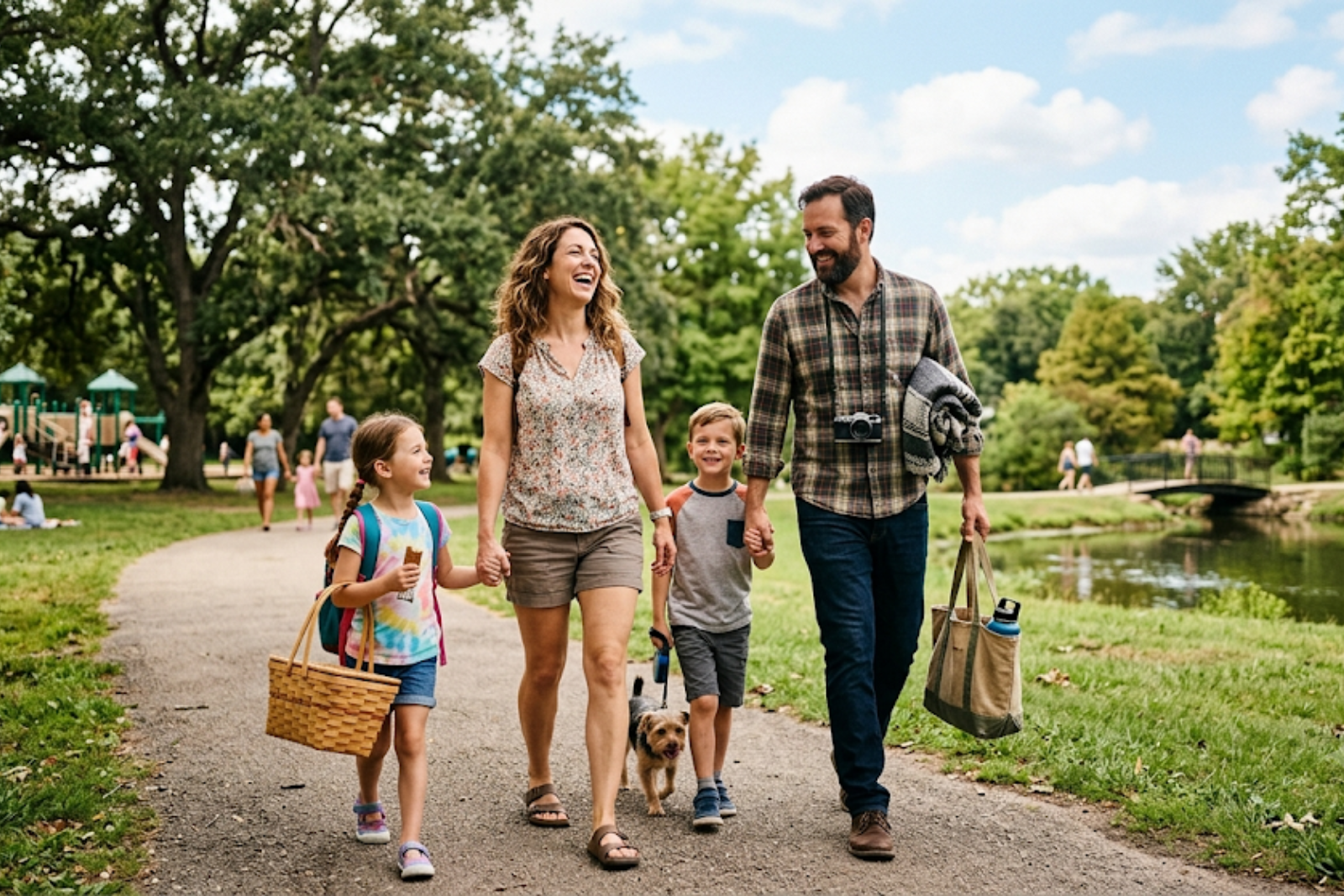
A family day out is one of those things that sounds simple enough in theory. Pick a destination, pile everyone into the car, and off you go. In practice, of course, it rarely works out quite like that, and before you know it, you’ve somehow spent a small fortune on a day that was supposed to be relaxed and enjoyable.
The good news is that it genuinely doesn’t have to cost the earth. With a bit of thought beforehand and a few sensible habits on the day itself, you can put together something that everyone remembers fondly, without the sinking feeling when you check your bank balance the following morning.
Food is one of the areas where costs tend to creep up without you really noticing. Drinks here, snacks there, a sit-down meal somewhere in the middle, it all adds up. Having a look at available restaurant deals before you set off is a simple way to get a sense of what eating out might realistically cost you, so there are no nasty surprises.
Start with a realistic budget
It sounds obvious, but setting a clear budget before you do anything else makes everything else easier. The mistake most people make is only thinking about the main attraction, tickets, entry fees, that sort of thing, and forgetting about all the smaller costs that stack up around it.
Parking, petrol, food, drinks, the inevitable souvenir request from the kids: these all need to factor in somewhere. Decide on a total figure you’re comfortable with, and use that to guide your decisions throughout the day. A budget isn’t about removing all spontaneity, it’s just a way of avoiding that awkward moment at the end of the day when you tot everything up and wonder where it all went.
Choose attractions carefully
There’s a common assumption that the more expensive the attraction, the better the day will be. That’s not really borne out by experience. Some of the most enjoyable days out involve very little spending at all.
Parks, beaches, nature reserves and local museums can keep a family occupied for hours. Across the UK, a large number of museums offer free admission, genuinely free, not “free if you ignore the suggested donation” free. When you are paying for entry somewhere, it’s worth thinking about how long you’ll actually spend there, what’s included in the price, and whether extras cost on top. An attraction that fills a full day is often better value than a cheaper one that’s done and dusted by lunchtime.
Plan your journey in advance
Travel costs are easy to underestimate, particularly if you’re heading somewhere that involves a train journey or a long drive. Families using public transport should look into advance fares, family railcards and off-peak options, the savings can be surprisingly significant.
If you’re driving, don’t forget to factor in parking charges alongside fuel. Some city centre car parks charge eye-watering amounts, and finding that out on the day is never fun. A bit of route planning beforehand can also help you avoid traffic, roadworks and the kind of detours that eat into both your time and your patience.
Bring essentials from home
This one sounds small, but it genuinely makes a difference. Reusable water bottles are an easy win, buying drinks throughout the day is one of those costs that feels trivial at the time but mounts up considerably. Pack some snacks too: fruit, sandwiches, a few cereal bars. Hunger-driven impulse purchases at inflated prices are a rite of passage for family days out, but they’re also entirely avoidable.
It’s also worth thinking about the practical stuff, sunscreen, a waterproof layer, wipes, a spare jumper for the youngest. Needing to buy any of these things mid-day tends to be both annoying and expensive.
Make the most of free activities
Even if your main destination involves paying for entry, most towns and cities have plenty going on nearby that costs nothing at all. Walking routes, public gardens, waterfront areas, community events, these can all slot neatly into a wider day out and give you more to do without adding to the bill.
Local council websites, community Facebook groups and event listings are worth checking beforehand. There’s often more on than you’d expect, particularly during warmer months or school holidays.
Be selective with extras
Small purchases are the silent budget killers of any day out. One arcade game, one souvenir, one treat at the gift shop, individually they seem harmless, but together they can add a surprisingly large amount to your final total.
That’s not to say you should refuse everything. It’s more about being deliberate. Deciding in advance which one or two extras you’re happy to splash out on, and sticking to that, means everyone still gets something to look forward to, without the slow accumulation of small spends getting out of hand.
Consider timing carefully
When you go can matter almost as much as where you go. Travelling outside peak periods often means cheaper fares, less crowded attractions and a generally more pleasant experience. Arriving early is another easy win, you get more time to make the most of your tickets, and there’s less temptation to extend the day with additional spending elsewhere.
It’s worth checking opening times and any scheduled events in advance, too. A little bit of planning here can save a fair amount of frustration on the day.
Focus on shared experiences
Budgeting matters, but it’s also worth keeping perspective. Children rarely remember how much things cost. What they tend to remember is the woodland walk where they spotted a deer, the picnic in the sunshine, the ridiculous game everyone played in the car on the way home.
The best days out are usually about being present and doing things together, not about how much was spent along the way. Keep costs sensible, plan ahead where it makes sense to, and the rest tends to take care of itself.
