
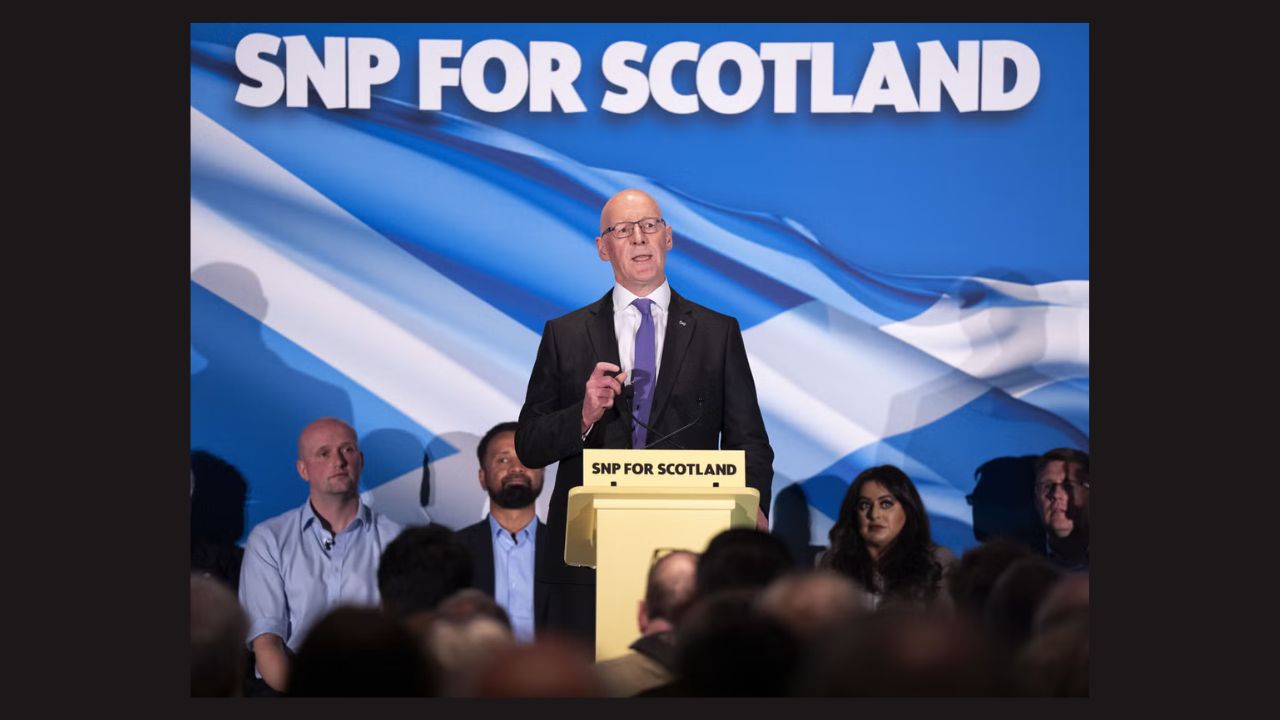
The political landscape of Scotland is entering a decisive phase. SNP news in 2025 and 2026 reflects a period of transformation, renewed ambition, and intense national debate. The Scottish National Party stands at the center of conversations about independence, economic reform, public services, and Scotland’s global role. As the country prepares for major electoral milestones, the party’s direction influences every part of public life.
Over the next two years, leadership strategy, voter trust, and policy outcomes will define Scotland’s political course. Therefore, understanding current developments and long-term goals is essential for anyone following Scottish affairs.
The Political Climate in 2025
Scotland’s political atmosphere in 2025 feels both competitive and unpredictable. After years of constitutional debate, voters are now focusing on practical concerns such as healthcare performance, education standards, and cost-of-living pressures. However, the independence question remains deeply connected to every policy conversation.
The Scottish National Party continues to present itself as the strongest voice for self-government. At the same time, opposition parties are pressing harder on domestic governance issues. As a result, parliamentary debates have grown sharper and more policy-focused.
Economic stability, public spending discipline, and social welfare reforms dominate legislative sessions. In addition, rural development and energy policy have gained importance due to global market shifts. These topics frequently appear in daily SNP news updates, reflecting their urgency.
Leadership Strategy and Direction
Strengthening Internal Unity
Party leadership in 2025 emphasizes stability and clarity. After previous years of transition, senior figures aim to project unity. This approach seeks to reassure voters that long-term goals remain consistent despite political turbulence.
Leaders prioritize transparent communication. They frequently outline policy timelines and performance targets. Consequently, the party hopes to rebuild strong public confidence before the 2026 Scottish Parliament election.
Preparing for the 2026 Election
The 2026 campaign strategy centers on experience and continuity. However, it also highlights generational renewal. Younger candidates now hold visible roles in policy planning and community outreach.
Moreover, campaign planners focus heavily on regional engagement. Rather than relying solely on national messaging, they tailor proposals to local economic and social realities. This method allows SNP news narratives to connect directly with community concerns.
Independence Debate in 2025–2026
Constitutional Vision
Independence remains a defining pillar of party identity. Nevertheless, the strategy around achieving it has evolved. Instead of immediate confrontation, leadership now emphasizes gradual consensus building.
For example, economic readiness reports and fiscal frameworks appear more often in public discussions. These documents attempt to address practical questions about currency, trade, and public finances.
Building Public Support
Supporters believe that long-term persuasion works better than short campaigns. Therefore, outreach efforts include town halls, youth forums, and academic panels. This broader engagement seeks to normalize constitutional discussion rather than treat it as a single-issue campaign.
At the same time, critics argue that daily governance must improve before any constitutional change gains majority backing. As a result, performance in health and education services strongly influences the independence conversation.
Economic Policy and Financial Planning
Growth and Investment
Economic growth stands at the heart of SNP news coverage in 2025. Leaders promote Scotland as a hub for renewable energy, advanced technology, and sustainable tourism. These sectors promise both job creation and international investment.
Offshore wind projects and green hydrogen initiatives receive particular attention. Furthermore, government agencies collaborate with private firms to accelerate innovation funding.
Fiscal Responsibility
In addition to growth plans, fiscal discipline shapes public messaging. Budget statements highlight careful allocation of funds toward healthcare, transport infrastructure, and local councils.
Balanced taxation remains a sensitive topic. While progressive tax structures aim to protect lower-income households, policymakers also seek to attract skilled professionals and entrepreneurs. Therefore, economic debate remains lively throughout 2026 preparations.
Healthcare Reform and NHS Scotland
Reducing Waiting Times
Healthcare performance directly influences voter satisfaction. Consequently, reducing waiting lists has become a central objective. Expanded recruitment drives aim to attract doctors, nurses, and support staff across urban and rural areas.
Digital health services now support appointment scheduling and patient monitoring. These technological upgrades improve efficiency and reduce administrative delays.
Long-Term System Improvement
Beyond immediate fixes, structural reform addresses workforce planning and preventative care. Investment in mental health services increases steadily. Moreover, community health programs focus on early diagnosis and public awareness campaigns.
As these measures unfold, SNP news discussions frequently analyze progress indicators and patient outcomes.
Education and Youth Opportunities
School Performance Standards
Education reform remains another major priority. Updated curriculum guidelines emphasize digital literacy, critical thinking, and vocational training. Teachers receive additional professional development funding to support these changes.
Classroom investment also includes upgraded facilities and learning technology. Therefore, the government presents education as a long-term national investment rather than a short-term expense.
University and Skills Strategy
Higher education policy balances affordability with global competitiveness. Tuition policies continue to reflect Scotland’s distinct approach. Meanwhile, apprenticeship programs expand across engineering, construction, and renewable energy sectors.
Young voters play a crucial role in 2026 electoral planning. As a result, youth employment initiatives receive strong attention in parliamentary debates.
Energy Policy and Climate Goals
Renewable Leadership
Scotland’s renewable energy capacity positions the country as a European leader in green production. Offshore wind farms, tidal power research, and battery storage projects shape the energy agenda.
Government strategy connects environmental responsibility with economic opportunity. Therefore, climate action doubles as an industrial growth plan.
Net Zero Commitment
Carbon reduction targets remain ambitious. Investment in public transport electrification continues throughout 2025. In addition, incentives encourage homeowners to improve insulation and install heat pumps.
These combined efforts demonstrate how environmental policy integrates with everyday life and employment prospects.
Rural and Regional Development
Supporting Local Economies
Rural communities seek reliable transport, healthcare access, and broadband connectivity. Infrastructure funding addresses these demands through targeted development programs.
Agricultural reform discussions focus on sustainability and fair subsidies. Consequently, farming communities remain closely engaged with policy updates.
Island and Coastal Strategy
Island regions receive dedicated investment plans. Ferry services, harbor upgrades, and tourism promotion form part of long-term resilience planning. By highlighting these initiatives, SNP news narratives aim to demonstrate equal attention to all regions.
Social Policy and Equality
Tackling Poverty
Child poverty reduction programs expand in 2025. Direct payment schemes and housing support initiatives aim to relieve financial pressure on families.
Local councils collaborate with community groups to ensure efficient delivery. As these efforts progress, measurable benchmarks guide performance reviews.
Promoting Fairness
Equality legislation remains central to party values. Policy frameworks address gender balance in leadership roles and workplace fairness standards. In addition, social inclusion campaigns encourage broader civic participation.
Relationship with the UK Government
Intergovernmental Dialogue
Relations between Edinburgh and London continue to shape daily politics. While disagreements persist, structured dialogue remains essential for budget agreements and legislative coordination.
Financial settlements and devolved powers regularly feature in parliamentary exchanges. Therefore, cooperation and tension coexist within the broader constitutional framework.
Negotiation Strategy
Rather than focusing solely on confrontation, leaders now emphasize pragmatic negotiation. This approach aims to secure incremental gains while preserving long-term objectives.
Public Opinion and Electoral Trends
Polling Dynamics
Opinion surveys in late 2025 show fluctuating voter sentiment. Economic performance and healthcare results significantly influence approval ratings.
Campaign strategists analyze regional data carefully. Consequently, messaging adapts to local priorities rather than relying on uniform national slogans.
Media Influence
Traditional broadcasters and digital platforms both shape public perception. Social media engagement grows steadily, especially among younger voters. Therefore, communication strategy now blends televised debate with interactive online discussion.
Challenges Facing the Party
Economic Uncertainty
Global market volatility creates financial pressure. Energy price fluctuations and supply chain disruptions affect domestic budgets.
Leaders must balance ambitious promises with realistic fiscal planning. Otherwise, credibility risks erosion.
Voter Fatigue
After years of intense political debate, some citizens express fatigue with constitutional disputes. Therefore, everyday governance performance becomes the strongest test of leadership effectiveness.
Outlook for 2026 and Beyond
Election Scenarios
The 2026 Scottish Parliament election will likely determine the next chapter of constitutional discussion. A strong mandate could reinvigorate independence dialogue. Conversely, mixed results may shift focus toward service delivery reforms.
Long-Term Vision
Beyond immediate contests, the broader vision includes economic resilience, social fairness, and environmental leadership. These pillars shape strategy well into the late 2020s.
Future SNP news updates will continue to track these themes as they unfold across legislative sessions and community initiatives.
Conclusion
The period from 2025 to 2026 represents a defining moment for Scotland’s political direction. Policy performance, economic management, and constitutional ambition intersect in complex ways. Throughout this time, SNP news reflects both opportunity and challenge.
Leadership strategy emphasizes unity, practical governance, and gradual consensus building. At the same time, opposition voices ensure rigorous debate across parliament.
Ultimately, the coming years will test whether the party can transform vision into measurable progress. As Scotland approaches another electoral milestone, political engagement remains high, and the future remains open.
READ MORE: David Blunkett: Inspiring British Leader Who Redefined Politics and Public Service
