
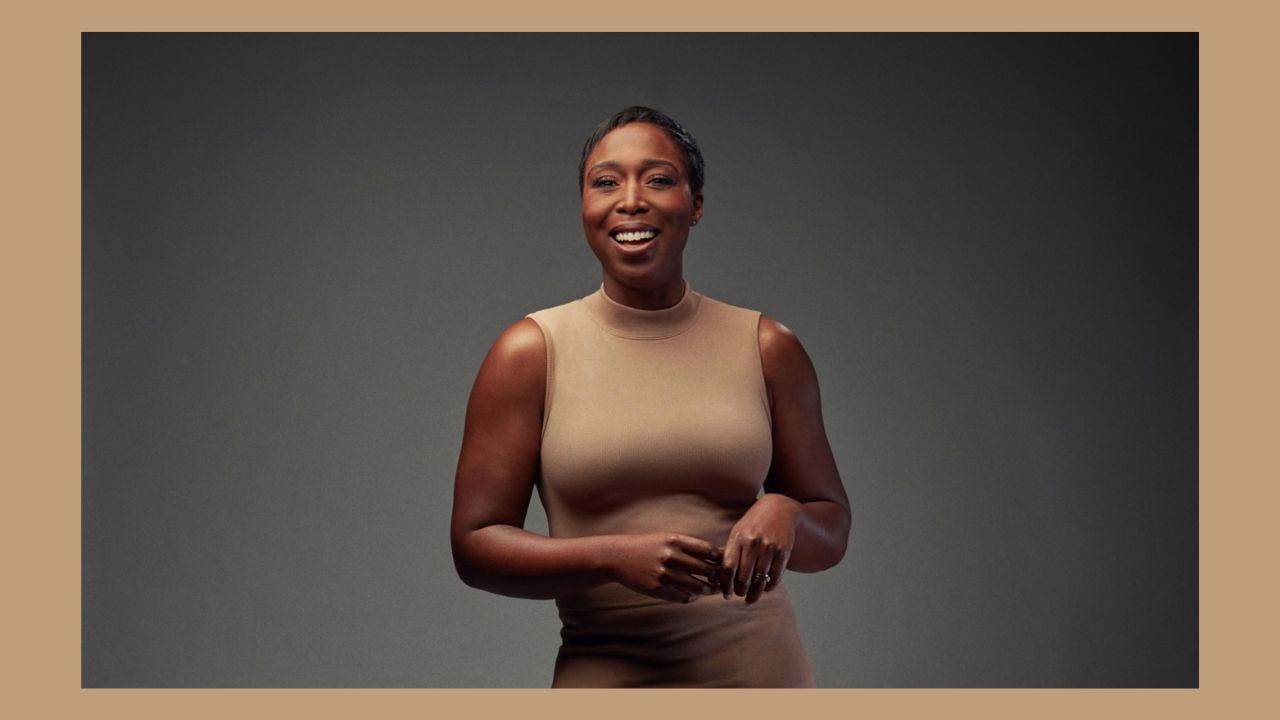
Early Life and Cultural Roots
Jeanette Kwakye grew up in London in a family that valued discipline, education, and cultural pride. Her Ghanaian heritage shaped her outlook from an early age. At home, she learned the importance of resilience and hard work. At school, she discovered her speed.
During her childhood, she competed in local athletics meets. Coaches quickly noticed her explosive acceleration and sharp focus. As a result, she began structured training while balancing her studies. That balance later became one of her strongest qualities.
Moreover, her upbringing helped her develop mental strength. She learned to face setbacks calmly and celebrate progress without losing direction. These early lessons formed the base of her athletic and professional life.
University Journey and Athletic Development
Training in the United States
Jeanette Kwakye moved to the United States for higher education. There, she competed in collegiate track events while studying. The competitive environment pushed her beyond her limits.
American college athletics demand high performance every week. Therefore, she trained under experienced sprint coaches who refined her technique. She improved her reaction time, stride efficiency, and race strategy.
In addition, she learned how to manage pressure in large stadiums filled with spectators. This experience later helped her during international championships. Her university years were not only about medals. They shaped her mindset for global competition.
Return to British Athletics
After completing her studies, she returned to the United Kingdom with greater confidence. She joined the British athletics system at a time when women’s sprinting needed new energy.
Consequently, her performances began to attract attention. She posted competitive times in national meets and earned selection for major tournaments. Each race strengthened her belief that she could compete among the best.
Rise in International Sprinting
Establishing Herself in the 100 Metres
The 100 metres became her signature event. This distance requires explosive power and perfect timing. Jeanette Kwakye trained intensely to master the first 30 metres of every race.
Unlike many sprinters who rely only on natural speed, she focused on technique. For example, she improved her block start to gain an early advantage. Furthermore, she studied video footage to refine her posture and stride pattern.
As a result, her consistency improved. She began reaching finals at international competitions, proving that she belonged at the highest level.
Beijing 2008 Olympic Breakthrough
The defining moment of her sprint career came at the 2008 Olympic Games in Beijing. Representing Great Britain on the world’s biggest stage required both courage and focus.
She advanced through the early rounds with composure. Then, she qualified for the women’s 100m final, making history for British athletics. Competing in that Olympic final placed her among the fastest women in the world.
Although she did not win a medal, her performance inspired a new generation of athletes in the United Kingdom. That race demonstrated that British women could challenge global sprint powerhouses.
Challenges, Injuries, and Determination
Elite sport often tests an athlete’s patience. Unfortunately, injuries interrupted Jeanette Kwakye’s momentum after her Olympic success. Muscle strains and physical setbacks forced her to withdraw from several competitions.
However, she refused to let frustration define her story. Instead, she focused on rehabilitation and recovery. She worked closely with physiotherapists and conditioning experts to rebuild strength.
Even so, repeated injuries made it difficult to maintain peak performance. Eventually, she decided to step away from professional sprinting. That decision required honesty and bravery.
Rather than viewing retirement as an end, she saw it as a new beginning.
Transition Into Sports Broadcasting
First Steps in Media
After leaving competitive athletics, Jeanette Kwakye entered the world of broadcasting. Her deep knowledge of track and field made her a natural analyst.
She began contributing to sports coverage with the BBC. At first, she worked as a pundit during athletics events. Viewers appreciated her clear explanations and calm delivery.
Unlike commentators who speak only from theory, she spoke from experience. Therefore, audiences trusted her insights.
Building a Strong Media Presence
Over time, Jeanette Kwakye expanded her role. She covered Olympic Games, World Championships, and domestic competitions. In addition, she hosted radio segments and appeared on television panels.
Her presentation style combines warmth and authority. She asks sharp questions while respecting athletes’ journeys. Consequently, producers increasingly rely on her during major sporting events.
By 2025 and 2026, she continues to serve as a respected BBC sports broadcaster. Her presence reflects professionalism and authenticity.
Leadership and Influence in 2025–2026
Advocate for Diversity in Sport
In recent years, jeanette kwakye has become an important voice for inclusion. She speaks openly about representation in athletics and media. Her own journey proves that diverse backgrounds strengthen British sport.
Furthermore, she supports young athletes through mentoring programs. She often participates in youth development events, encouraging girls from different communities to pursue athletics.
Her advocacy extends beyond the track. She also promotes equal opportunities in sports journalism. As a result, many aspiring broadcasters view her as a role model.
Expanding Professional Roles
During 2025 and 2026, Jeanette Kwakye continues to grow her influence. She participates in panel discussions on sports leadership and athlete welfare. In addition, she contributes to strategic conversations about the future of British athletics.
Because she understands both performance and media, she offers a unique perspective. This dual experience allows her to bridge the gap between athletes and audiences.
Her evolving career shows that reinvention can lead to greater impact.
Communication Style and Public Image
Calm Authority on Screen
Jeanette Kwakye speaks with clarity and confidence. She avoids unnecessary drama and focuses on facts. Therefore, viewers appreciate her balanced tone.
Moreover, she prepares thoroughly before every broadcast. Research, athlete interviews, and performance analysis shape her commentary. This preparation ensures accuracy and depth.
Her calm presence becomes especially valuable during high-pressure moments, such as Olympic finals or record-breaking races.
Connection With Audiences
In addition to technical knowledge, she connects emotionally with viewers. She understands the nerves athletes feel before stepping onto the track. Consequently, her storytelling feels genuine.
She often highlights the human side of sport. For example, she discusses the sacrifices behind each performance. That approach helps audiences understand the effort behind every medal.
Personal Values and Discipline
Jeanette Kwakye maintains strong personal discipline. Years of elite training built habits that continue to guide her life. She values punctuality, preparation, and continuous learning.
Furthermore, she emphasizes mental health awareness. Competitive sport taught her that mindset matters as much as physical strength. Therefore, she encourages open conversations about emotional wellbeing.
Her balanced lifestyle includes fitness, family time, and professional commitments. This structure allows her to manage a demanding schedule effectively.
Impact on British Athletics
Inspiring the Next Generation
Many young British sprinters grew up watching her Olympic performance. That visibility expanded belief in what British women could achieve in sprinting.
Additionally, her transition into media ensures that her influence extends beyond the track. She continues to shape the narrative around athletics.
Through commentary and mentorship, she contributes to a stronger sporting culture in the United Kingdom.
Strengthening Women’s Representation
Jeanette Kwakye stands as an example of female leadership in sports broadcasting. Her role challenges outdated stereotypes about who can analyze elite competition.
As more women enter sports media, her journey provides a blueprint. She demonstrates that expertise and authenticity build lasting credibility.
Professional Achievements Beyond Athletics
Although sprinting introduced her to the world, broadcasting defines her current legacy. She has covered global tournaments, national championships, and multi-sport events.
In addition, she collaborates with fellow journalists and analysts to deliver high-quality coverage. Her professionalism strengthens every production team she joins.
Her career path highlights adaptability. Instead of remaining defined by one chapter, she built a second successful profession.
Future Outlook and Continuing Growth
Looking ahead, jeanette kwakye remains an influential figure in British sport. She continues to evolve professionally while supporting athlete development.
As media platforms expand digitally, her voice reaches wider audiences. Podcasts, live events, and interactive broadcasts offer new opportunities for engagement.
Furthermore, her experience positions her for leadership roles within sports organizations. Whether on screen or behind strategic decisions, her influence is likely to grow.
Conclusion
Jeanette Kwakye represents determination, reinvention, and leadership. From elite sprinting to respected broadcasting, her journey reflects courage and adaptability.
Her Olympic performance placed her among the fastest women in the world. Later, her broadcasting career with the BBC established her as a trusted sports voice.
In 2025 and 2026, she continues to inspire athletes, journalists, and audiences alike. Through advocacy, professionalism, and authenticity, jeanette kwakye remains a powerful figure in British athletics and sports media.
Her story proves that success does not end with retirement from competition. Instead, it can evolve into broader influence and lasting impact.
READ MORE: Lara Lewington’s Transformative Journey into AI, Health Tech and Future Innovation
