
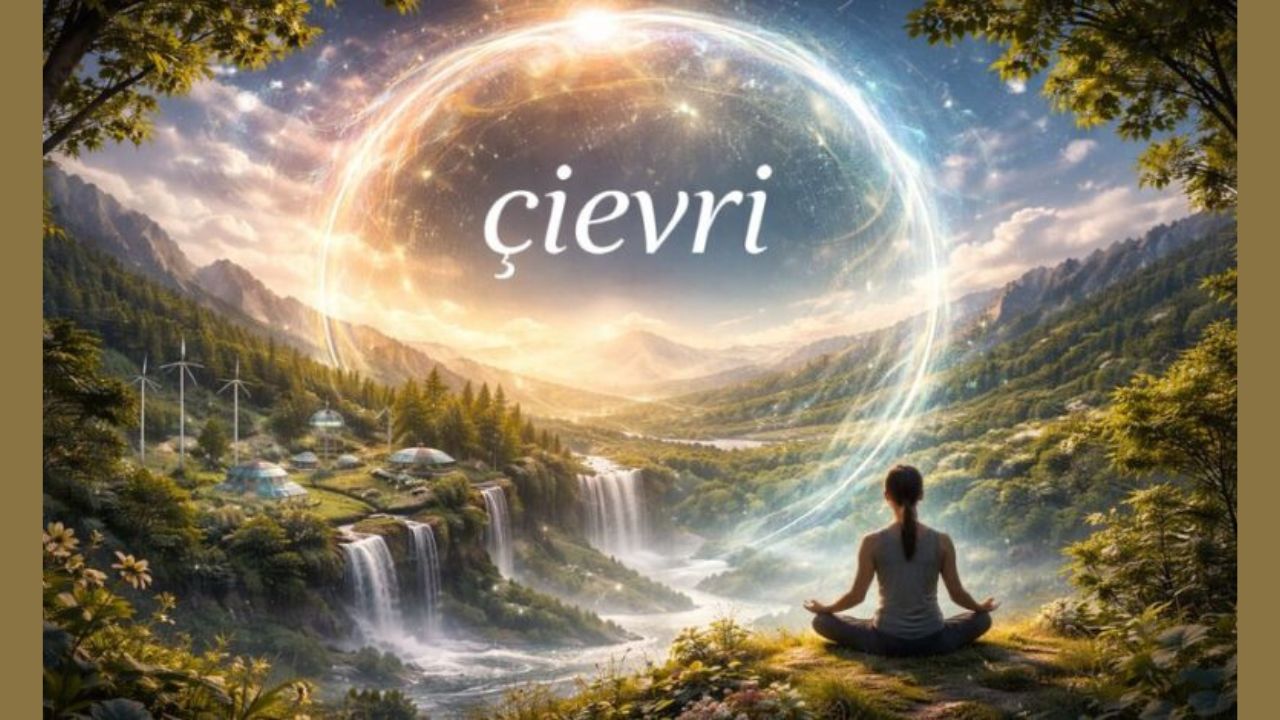
Çievri has emerged as a transformative and unifying philosophy in 2026, influencing how we approach technology, lifestyle, and environmental sustainability. While its linguistic roots trace back to ancient traditions associated with cycles and continuity, the modern application of çievri is entirely forward-looking. It represents a shift away from linear progress toward a more balanced, cyclical understanding of growth. In an era defined by rapid digital acceleration, çievri provides the necessary guardrails to ensure our innovations remain human-centered and ecologically responsible. This article explores the depth of this movement and its practical impact on our world today.
The Core Philosophy and Origins of Çievri in 2026
To understand the power of çievri, one must first look at its foundational meaning of turning, returning, and renewal. Historically, this concept reflected the seasonal rhythms of nature and the understanding that life unfolds in repeating patterns. In 2026, this ancient wisdom has been adapted to address the complexities of a hyper-connected society. It encourages us to view our actions not as isolated events, but as parts of a continuous loop that impacts the future.
The modern mindset of çievri prioritizes intentionality over urgency. Rather than rushing to adopt every new technological breakthrough, followers of this philosophy ask how a tool fits into the broader cycle of their well-being. This doesn’t mean rejecting progress; instead, it means reframing it. It suggests that the healthiest form of advancement is one that respects human cognitive limits and cultural continuity. This approach helps individuals maintain a sense of peace and purpose in a world that often feels overwhelming.
Furthermore, çievri emphasizes the importance of “returning” to core values. In 2026, we see this reflected in the way people are curating their digital and physical spaces. There is a move away from cluttered, fast-paced environments toward “layered” lives that honor personal history and slow growth. By embracing the cyclical nature of learning and unlearning, çievri allows for a more resilient and adaptable way of living.
Çievri and the Evolution of Human-Centered Technology
Technology in 2026 is undergoing a massive recalibration, largely driven by the principles of çievri. For years, innovation was focused on speed and constant visibility. However, the current trend is toward “quiet technology” that operates seamlessly in the background. This shift aligns perfectly with çievri, as it treats technology as a supportive partner rather than a dominant force. We now see AI systems that are designed to respect the user’s focus and energy cycles.
One of the most significant applications of çievri is in the development of responsible artificial intelligence. Developers are moving away from general-purpose models toward domain-specific systems that prioritize accuracy and ethical transparency. These systems are built to “close the loop” by considering the long-term impact of their outputs. By embedding çievri into the code, engineers are creating software that is more empathetic to the human experience.
In addition, the concept of “digital çievri” has changed how we manage our online footprints. In 2026, there is a growing movement to reduce digital waste by clearing cloud storage and simplifying communication channels. This reflects the cyclical idea that for new growth to happen, we must let go of the old and unnecessary. This mindful approach to data ensures that our digital lives remain sustainable and organized.
Sustainable Consciousness and Ecological Rhythms
The environmental crisis of the mid-2020s has made the ecological dimension of çievri more relevant than ever. In 2026, sustainability is no longer viewed as a static goal to be reached, but as a continuous process of renewal. This aligns with the “living cycle” aspect of çievri, where resources are reused and systems are designed to adapt over time. Businesses are increasingly adopting circular economy models that mirror these natural rhythms.
Carbon capture and regenerative agriculture are two areas where çievri is making a tangible difference. Instead of simply trying to minimize damage, these industries focus on restoring the environment to a healthier state. By treating the Earth as a living system with its own cycles, we can create solutions that are truly long-lasting. This “cycle of awareness” ensures that every industrial action is weighed against its future impact on the ecosystem.
Moreover, çievri encourages a deeper connection to the local environment. In 2026, communities are focusing on seasonal living and supporting local supply chains. This reduces the carbon footprint associated with global shipping and fosters a sense of regional identity. By living in harmony with the natural cycles of their specific locations, people are finding a more sustainable and fulfilling way to thrive.
The Impact of Çievri on Modern Design and Aesthetics
The visual landscape of 2026 has been deeply influenced by the çievri aesthetic. We have moved past the era of cold, sterile minimalism and into a period of “Modern Heritage.” This design style blends traditional craftsmanship with modern utility, creating spaces that feel grounded and authentic. It reflects the çievri principle that the past and the future are parts of the same continuous cycle.
In interior design, this translates to the use of tactile, natural materials that age beautifully over time. Unlacquered metals, warm woods, and handmade tiles are the foundation of the 2026 home. These materials are chosen because they tell a story and develop a patina as they are used. This “lived-in” feel is a direct rejection of “fast furniture” and disposable culture. It encourages homeowners to build their surroundings slowly and intentionally.
Visual artists are also using çievri to explore themes of renewal and transformation. Many creators are moving away from “pixel-perfect” digital art toward “Imperfect by Design” aesthetics. By embracing human errors and organic textures, they create work that feels more personal and honest. This movement celebrates the beauty of the “unfinished” and the “evolving,” which are key components of the çievri philosophy.
Educational Shifts and the Cycle of Lifelong Learning
Education in 2026 is moving toward a model of “continuous çievri,” where learning is seen as a lifelong cycle rather than a one-time event. The traditional focus on rigid testing and immediate results is being replaced by an emphasis on curiosity and deep understanding. This approach recognizes that knowledge needs time to “turn” and settle in the mind before it can be effectively applied.
Students are encouraged to explore the intersections between different disciplines, mirroring the holistic nature of çievri. For example, a student might study the links between ancient philosophy and modern computing. This cross-pollination of ideas leads to more innovative thinking and a more well-rounded world view. By fostering a love for the process of learning, educators are preparing the next generation for a rapidly changing world.
Furthermore, çievri in education emphasizes the importance of mentorship and the passing forward of knowledge. Older generations are being integrated back into the learning process, sharing their wisdom and experience with younger students. This creates a powerful “knowledge cycle” that ensures cultural and intellectual continuity. In 2026, the classroom is no longer a place of isolated study, but a hub for intergenerational exchange.
Ethical Business Practices and Regenerative Leadership
The corporate world is also undergoing a “çievri revolution” in 2026. Leadership is no longer defined by aggressive, short-term expansion. Instead, “regenerative leadership” has become the gold standard. This style of management focuses on building healthy internal cultures and ensuring that the business contributes positively to society. It operates on the principle that a healthy company is one that nurtures its own “ecosystem” of employees and partners.
Companies are becoming more transparent about their supply chains and their environmental impact. They use the çievri framework to evaluate their success not just by profit, but by the resilience and well-being they create. This shift has led to higher levels of employee satisfaction and consumer trust. In 2026, people are increasingly choosing to support brands that demonstrate a genuine commitment to these cyclical values.
Moreover, the “slow business” movement is gaining momentum. Companies are taking more time to develop products, ensuring they are truly needed and built to last. This reduces waste and allows for more meaningful innovation. By prioritizing quality over quantity, these businesses are proving that the çievri approach is not only ethical but also economically viable in the long run.
Çievri in Daily Life: Practical Habits for 2026
Incorporating çievri into your daily routine is about finding balance and respecting your own natural rhythms. In 2026, many people practice “creative pausing,” where they step away from tasks to allow their minds to reset. These moments of stillness are essential for maintaining long-term productivity and preventing burnout. They reflect the understanding that “doing nothing” is often a vital part of the creative cycle.
Another common habit is “single-tasking,” which involves giving your full attention to one activity at a time. This is a direct response to the overstimulation of previous years. By focusing on the present moment, you can achieve a higher level of quality and find more enjoyment in your work. This mindful approach to daily tasks is a core component of living the çievri lifestyle.
Finally, çievri encourages us to be more intentional about our social connections. Instead of maintaining hundreds of superficial online relationships, people are focusing on building deep, meaningful bonds with a smaller group of people. This “quality over quantity” approach to social life leads to greater emotional support and a stronger sense of community. In 2026, the real wealth is found in the strength of our personal “cycles of support.”
The Future of Çievri: Looking Toward 2027
As we look toward the end of 2026 and into 2027, the influence of çievri is only expected to grow. It has already provided a successful framework for navigating some of the most significant challenges of our time. As more people experience the benefits of this balanced, cyclical approach, it will likely become the standard for how we build our cities and our systems.
We can expect to see more “human-centric” urban planning that prioritizes green spaces and walkability. These designs will mirror the natural flow of human life, creating environments that are both efficient and restorative. In addition, the principles of çievri will continue to guide the development of next-generation technologies, ensuring they remain tools for human empowerment.
Ultimately, çievri is a reminder that we are part of a larger, beautiful system. By respecting the cycles of nature, technology, and our own minds, we can build a future that is truly sustainable. The journey of çievri is a continuous loop of awareness and action, and its impact on 2026 is just the beginning of a much larger transformation.
Conclusion: Embracing the Cycle for a Better World
In conclusion, çievri is much more than a philosophy; it is a practical guide for living in the 21st century. By embracing the principles of continuity, renewal, and intentionality, we can navigate the complexities of 2026 with confidence. This movement has shown that it is possible to innovate while remaining grounded in human values and environmental responsibility.
Whether it is through the design of our homes, the way we use technology, or how we manage our professional lives, çievri offers a path forward that is both hopeful and grounded. It reminds us that progress is not a straight line, but a beautiful, evolving cycle. As we move into the future, let us continue to “turn” toward the ideas that bring balance and meaning to our world.
The legacy of çievri in 2026 will be defined by the resilience and harmony it has inspired. It has taught us that by slowing down, we can actually go further. By listening to the rhythms of the world around us, we can create a legacy that lasts for generations to come. The “living cycle” of çievri is a gift to our modern age, offering a way to thrive in balance with ourselves and our planet.
READ MORE: Val Studio: Shaping The Future of Creative Visual Media in 2026
