

The delicate skin around the eyes is often the first area to show visible signs of ageing, leading many individuals to consider cosmetic enhancement. When planning such a delicate procedure, finding a highly qualified facial plastic surgeon in UK clinics is the most critical decision you will make. Eyelid rejuvenation, scientifically known as Blepharoplasty surgery, can restore a refreshed, alert appearance by removing excess skin and fat from the upper or lower eyelids. However, achieving natural-looking results requires an exceptional level of surgical skill and anatomical knowledge. This guide outlines the essential steps to selecting the right medical professional for your surgical journey, ensuring your safety and satisfaction throughout the process.
Understanding the Eyelid Rejuvenation Process
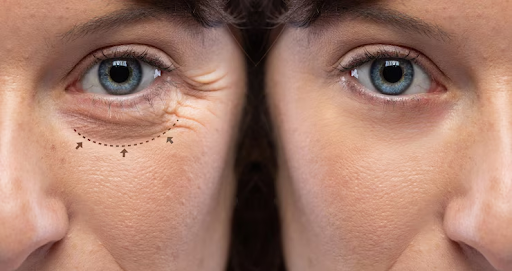
Before choosing a specialist, it is helpful to understand what the surgery entails and how it addresses your specific concerns. Blepharoplasty is a highly customisable procedure that targets drooping upper eyelids, puffy bags beneath the eyes, or sagging lower eyelid skin. During upper eyelid surgery, the surgeon makes precise incisions along the natural creases of the lids to remove or reposition fat deposits, tighten muscles, and trim away loose skin. For the lower eyelids, the incision is typically placed just below the lash line or inside the eyelid itself, leaving no visible external scarring.
Beyond the obvious cosmetic benefits, this procedure can also resolve functional issues. For instance, severely sagging upper eyelids can drape over the eyelashes and impair your peripheral vision. By removing this physical obstruction, patients often experience a significant improvement in their visual field alongside a more youthful appearance. Because the periocular area is incredibly complex, the procedure demands a surgeon who performs delicate facial operations on a daily basis, rather than a generalist who occasionally offers cosmetic treatments. A dedicated specialist understands how to balance tissue removal with structural support, preventing complications such as dry eyes or an inability to close the eyelids fully after surgery.
Verifying Qualifications and Medical Registrations
When researching a prospective facial plastic surgeon in UK medical databases, your primary focus should be on formal qualifications and professional memberships. In Great Britain, any doctor performing surgical procedures must be registered with the General Medical Council (GMC) and hold a current licence to practise. Specifically, you should verify that the surgeon is listed on the GMC Specialist Register for plastic surgery or ophthalmology. This listing confirms they have completed rigorous, accredited training in their respective surgical field.
Furthermore, look for active memberships in prestigious professional organisations. Affiliation with bodies such as the British Association of Aesthetic Plastic Surgeons (BAAPS) or the British Association of Plastic, Reconstructive and Aesthetic Surgeons (BAPRAS) indicates a commitment to high clinical standards and ongoing medical education. Surgeons with these credentials regularly attend international conferences to refine their techniques and adopt the latest safety protocols. Choosing a specialist with these verified credentials significantly reduces the risk of surgical complications and provides peace of mind that you are in highly capable hands. Avoid clinics that rush you into a decision or employ patient coordinators who pressure you to sign contracts before you have met your operating surgeon.
Evaluating Patient Portfolios and Case Studies
A surgeon’s credentials establish their technical capability, but their before-and-after portfolio showcases their artistic eye and clinical consistency. When reviewing a specialist’s previous work, pay close attention to patients who share your unique facial structure, skin tone, and age profile. This comparison gives you a realistic expectation of what the surgeon can achieve in your specific case.
When examining photos of past Blepharoplasty patients, look closely at the symmetry of the eyelids and the positioning of the surgical scars. The results should appear balanced and natural, without giving the patient a permanently surprised or tight look. A skilled surgeon aims to preserve the natural character of your eyes while softening the signs of tiredness and ageing. During your research, you should also seek out independent patient reviews on trusted platforms to gauge the overall patient experience. Pay attention to comments regarding the surgeon’s bedside manner, the attentiveness of the clinical staff, and the quality of the post-operative care provided during the recovery phase. Consistent, positive feedback across multiple independent platforms is a strong indicator of a reliable and patient-focused practice.
The Consultation and Crucial Questions to Ask

The initial consultation is your opportunity to evaluate the practitioner in person and assess their communication style. A reputable facial plastic surgeon in UK practices will always conduct a thorough physical examination of your eyes, discuss your medical history, and evaluate your aesthetic goals before suggesting a treatment plan. They should explain the surgical techniques they intend to use, the type of anaesthesia required, and the realistic outcomes you can expect based on your anatomy.
Use this face-to-face meeting to ask specific questions about their experience and safety record. Inquire about how many times they perform this specific eyelid procedure each month and their rate of revision surgeries. A transparent professional will openly discuss potential risks, such as temporary swelling, bruising, or asymmetry, and outline the steps they take to minimise these occurrences. They should also provide a comprehensive overview of the recovery timeline, including when you can return to work, resume wearing contact lenses, or engage in physical exercise. If a practitioner dismisses your concerns or downplays the recovery process, it is wise to seek a second opinion elsewhere.
Conclusion
Selecting a qualified professional for your eyelid surgery is a decision that requires careful research and patience. By choosing an experienced facial plastic surgeon in UK clinics, you ensure that your procedure is performed to the highest safety standards. Taking the time to verify medical registrations, review before-and-after portfolios, and ask detailed questions during your consultation will help you feel confident in your choice. Ultimately, a successful Blepharoplasty can restore a bright, refreshed look to your eyes, boosting your self-confidence and providing long-lasting aesthetic benefits. Prioritising safety and surgical expertise will always lead to the most satisfying and natural-looking outcomes.
