
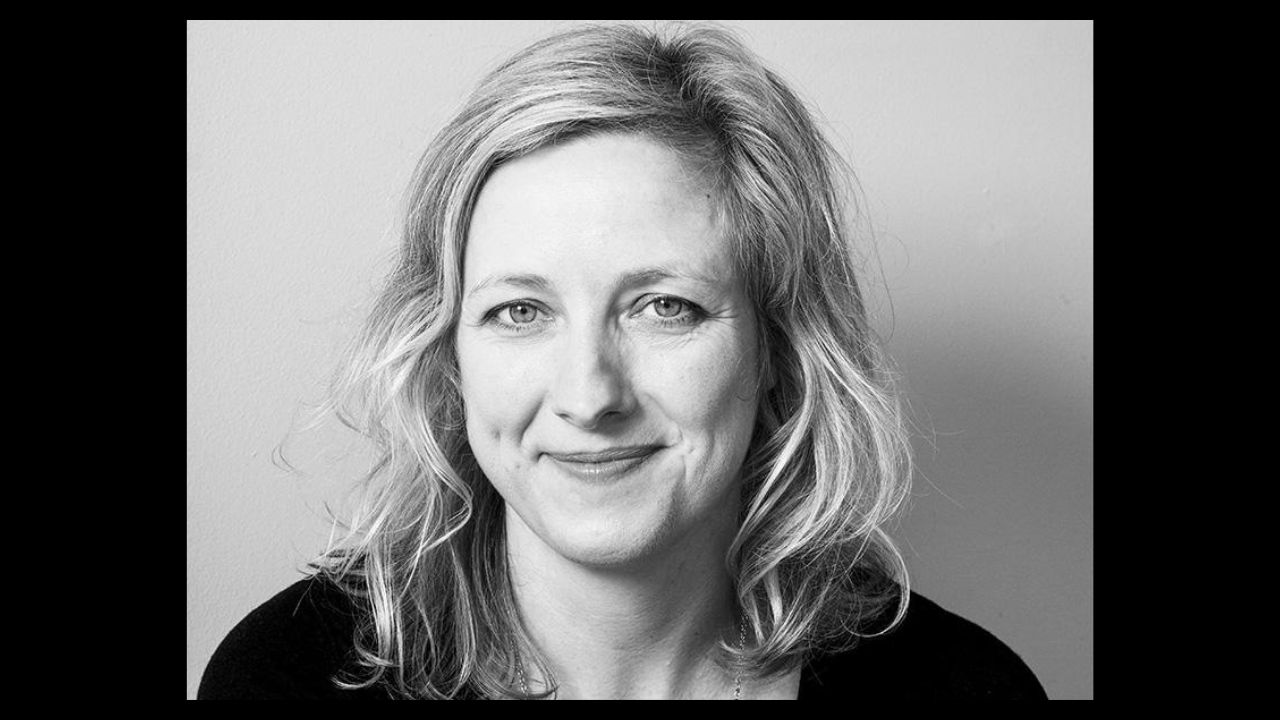
He Story of Carole Cadwalladr
Carole Cadwalladr is one of the most influential investigative journalists of the early 21st century. Her work exposes hidden mechanisms of power, technology, and political influence. She is a vital voice in debates about democracy, digital rights, and accountability. Cadwalladr broke the Cambridge Analytica scandal and warned about the rise of what she calls the “broligarchy.” Her career shows how journalism can challenge the most powerful forces in society.
In this article, we explore Carole Cadwalladr’s journey and her major contributions to journalism by 2025‑2026. We examine her influence on public discourse and the challenges she continues to face. She remains committed to promoting transparency in a world shaped by tech giants.
Who Is Carole Cadwalladr?
Carole Cadwalladr, born in 1969, is a British investigative journalist known for fearless reporting on political and technological power structures. She grew up in England and Wales. She developed her career in prominent British newspapers and built a reputation for in‑depth reporting. Her work holds powerful individuals and institutions accountable.
Over two decades, Cadwalladr did more than write features. She became a catalyst for global conversations about democracy and the digital era.Her investigative work has won prestigious awards and brought public scrutiny to issues that many others had overlooked or downplayed.
The Breakthrough: Cambridge Analytica Exposé
The defining moment in Carole Cadwalladr’s career came in 2018 when she uncovered the Cambridge Analytica scandal. This investigation revealed how a political consulting firm harvested personal data from millions of social media users without consent and used it to influence voter behaviour in major democratic processes.
Exposing Data Misuse
Cadwalladr’s reporting showed that Cambridge Analytica collected user data from a major social platform’s users and used that data to target political advertising aimed at shaping voter opinions. This reporting was among the first to highlight how personal data could be weaponised to influence elections.
The revelations made global headlines because they challenged assumptions about how digital platforms operate and who controls the information that shapes public opinion. Scholars, regulators, and everyday citizens suddenly had to confront how powerful technology companies really are.
Global Impact and Documentary Recognition
The story was so impactful that it became a central focus of a widely viewed documentary film. The documentary The Great Hack explored the human stories behind data misuse and included Carole Cadwalladr’s role in bringing the scandal to light. This film further cemented Cadwalladr’s status as an investigative journalist whose work transcends newspapers.
Awards and Recognitions
Carole Cadwalladr’s work has been recognised with some of the most significant journalism awards. Her reporting on data misuse earned her British Journalism Awards and the prestigious Orwell Prize, acknowledging her for courage and clarity in political journalism.
She was also a finalist for the Pulitzer Prize for National Reporting, one of journalism’s most esteemed honours. This placed her among the top international reporters of her generation based on her work exposing systemic issues in technology and political power.
The Broligarchy and Digital Democracy
After her Cambridge Analytica reporting, Carole Cadwalladr continued to expand her focus on the intersection of technology and democracy. Around 2025, she introduced the term “broligarchy” to describe a new class of tech power brokers whose influence transcends markets and reshapes political life.
What Is the Broligarchy?
The “broligarchy” refers to a combination of tech executives, media platforms, and political actors whose collaboration has profound effects on society and governance. According to Cadwalladr, this group’s unregulated access to personal data and communication platforms gives them unseen power over public discourse and human behaviour.
This idea goes beyond traditional tech criticism by framing data, surveillance, and political influence as interconnected threats to democratic systems. It suggests that power is no longer held solely by governments, but also by private entities that shape narratives and information flows.
TED Talk and Public Warnings (H3)
In 2025, Carole Cadwalladr delivered a high‑profile TED Talk that became one of her most influential public appearances. In this talk, she explained how digital platforms, data harvesting, artificial intelligence, and unregulated tech power can undermine democratic processes.
Her message was urgent: without public awareness and active defence of democratic norms, digital tools can enable authoritarian systems worldwide. This talk, delivered to an international audience, helped frame debates on technology and freedom in the modern era.
Career Turbulence and New Ventures
While Carole Cadwalladr’s reporting has been groundbreaking, it has also led to professional and legal challenges. Transitional changes in media organisations and public controversies affected her position at major publications in 2025.
Contract Ending and Independent Work
In early 2025, Carole Cadwalladr’s long‑standing contract with a major newspaper group came to an end amid organisational changes. This shift occurred as her former employer transitioned under new management, prompting Cadwalladr to focus more on independent journalism.
In response, she launched her own newsletter and continued publishing through independent channels. This move allowed her to maintain editorial freedom while building direct engagement with her audience on issues related to democracy, technology, and public accountability.
Podcasting and Broader Engagement
Alongside her writing, Carole Cadwalladr expanded into audio journalism with investigative podcasts. These series delve into topics such as cyber surveillance, political influence campaigns, and global networks of power. By diversifying her platforms, she continues to reach audiences who prefer in‑depth audio content.
Challenges and Press Freedom
Carole Cadwalladr’s work has not been without significant resistance. Critics and powerful figures have challenged her reporting, sometimes using legal mechanisms to deter investigations. Such legal pressures highlight broader concerns about press freedom and accountability in democratic societies.
These pressures illustrate how exposing powerful interests can attract intense scrutiny and legal challenges. However, Cadwalladr’s resilience in continuing her work speaks to her commitment to journalism as a public service, not just a profession.
The Citizens and Advocacy for Democratic Rights
Beyond individual reporting, Carole Cadwalladr co‑founded an organisation dedicated to investigative journalism and public education. This initiative brings together investigative reporters, data scientists, storytellers, and activists to challenge disinformation and hold powerful institutions accountable.
The organisation focuses not only on reporting but also on broader campaigns to defend democracy, protect data rights, and empower individuals worldwide.
Looking Ahead: Carole Cadwalladr’s Legacy
By 2026, Carole Cadwalladr is widely recognised as a journalist whose work helped define critical debates about technology, democracy, and media accountability in the digital age. Her investigations have prompted governments, regulators, and the public to reconsider the power of tech companies and the ethics of data use.
Her career demonstrates that journalism remains an essential pillar of democratic society, capable of exposing hidden systems of influence and giving voice to issues that might otherwise remain in darkness.
Conclusion: The Continuing Influence of Carole Cadwalladr
Carole Cadwalladr’s journey from newspaper feature writer to global investigative voice illustrates the transformative power of journalism. Her work reveals that uncovering truths about technology, politics, and power requires courage, persistence, and deep commitment to public interest.
As technology continues to shape society, Carole Cadwalladr’s insights and warnings remain relevant, urging societies to defend transparency, accountability, and democracy in an era dominated by digital platforms and concentrated data power.
READ MORE: Jon Sopel: Life, Career and Influence of a Leading Journalist
