
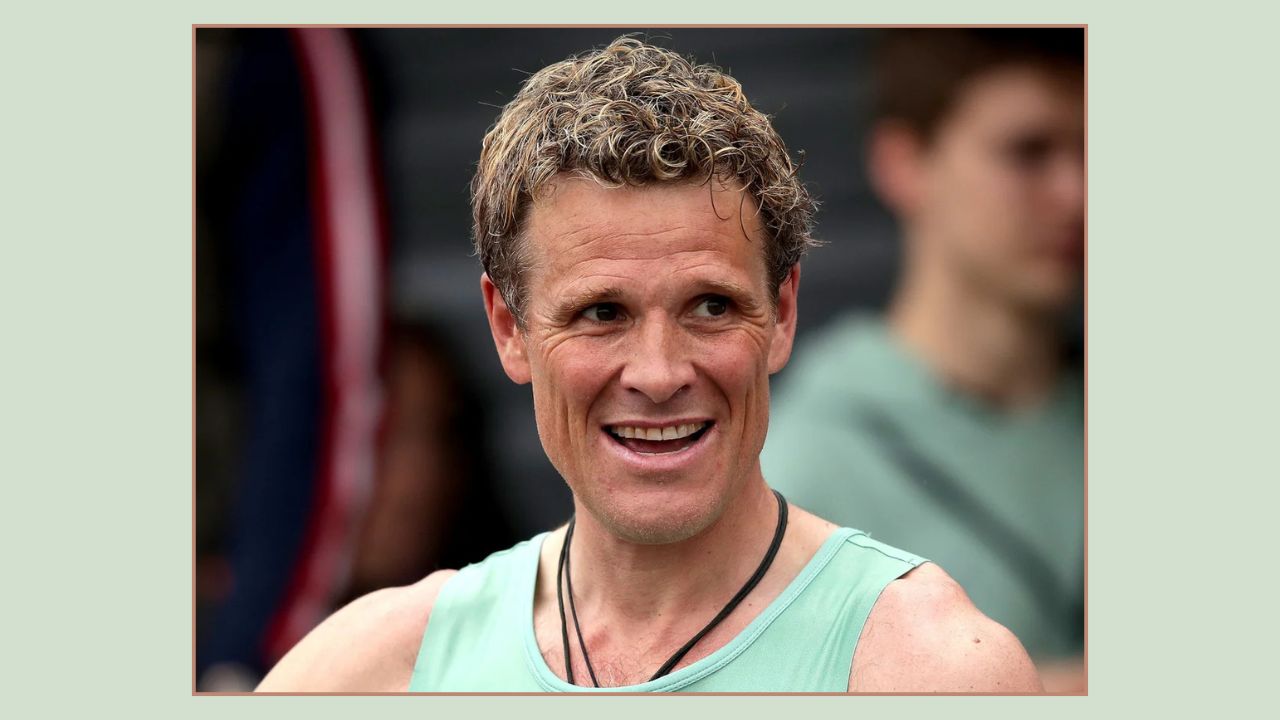
James Cracknell is a name that resonates with determination, resilience, and transformation. Known initially as one of Britain’s most successful rowers, his life has evolved through triumphs, near tragedies, and inspiring comebacks. From Olympic gold medals to daunting endurance challenges, from a life‑altering brain injury to advocacy for mental health, James Cracknell’s story continues to shape and motivate many around the world. His journey up to 2025–2026 shows not just physical prowess, but a deep human resilience and dedication to making a difference.
Early Life and Rise in Rowing
Roots and Beginnings
James Edward Cracknell was born on May 5, 1972, in Sutton, London, England. He grew up passionate about sport, eventually finding his way into the world of rowing during his school years. His natural athletic ability and dedication to training quickly set him apart from his peers.
Olympic Glory
Cracknell’s rowing career flourished through the 1990s and early 2000s. He became part of Great Britain’s elite rowing squad and quickly began to make his mark. Alongside teammates such as Sir Steve Redgrave and Sir Matthew Pinsent, he achieved remarkable success on the world stage. His most notable achievements include winning Olympic gold medals in the men’s coxless fours at the Sydney 2000 and Athens 2004 Olympics, as well as a series of world championship titles. These triumphs solidified his reputation as one of the best rowers in British history.
Adventurer and Endurance Athlete
Challenges beyond Rowing
After retiring from competitive rowing, James Cracknell transitioned into endurance challenges that pushed him far beyond the waters. These expeditions were not just physical feats—they tested courage, strategy, and teamwork in some of the world’s toughest environments.
He became widely known for rowing across the Atlantic Ocean, a grueling test of physical and mental endurance that he documented in television series. Alongside his close friend Ben Fogle and Dr Ed Coats, he also competed in the South Pole Amundsen Omega³ race, battling extreme cold, exhaustion, and blistering winds.
In addition to ocean and polar challenges, James completed ultra‑marathon events like the Marathon des Sables and the Yukon Arctic Ultra, cycling hundreds of miles through frozen landscapes. Each adventure added to his legacy as not only an Olympic athlete but also one of the most committed endurance competitors of his generation.
Life‑Changing Accident and Recovery
The 2010 Cycling Crash
Despite his immense success, James Cracknell’s life took a dramatic turn in 2010. While attempting a multi‑sport challenge across America, he was struck from behind by a petrol tanker in Arizona. The impact caused severe brain injury, requiring him to be placed in a medically induced coma and spend months in hospital.
This accident did more than injure his body—it altered his life. Cracknell lost his sense of taste and smell, developed epilepsy, and experienced long‑term challenges with memory, personality, and emotional regulation. His recovery was grueling, involving months of rehabilitation and relearning basic cognitive skills.
Life after Injury
The aftermath of his brain injury was deeply personal. James has spoken about how the change affected his family life, prompting difficult moments and a reevaluation of his identity beyond sport and adventure. Despite these challenges, he continued to push forward, using his own experience to help raise awareness of brain injury causes and treatments.
Career Beyond Athletics
Media and Commentary
Following his retirement from competitive sports, James Cracknell also ventured into presenting and journalism. He has appeared on television and contributed as a sports presenter, commentator, and columnist. His insightful perspectives on sport and endurance bring depth gleaned from years of elite experience.
Coaching and Mentorship
Never one to step away from rowing entirely, Cracknell also took on roles in coaching, sharing his knowledge with younger athletes. He served as head coach and guided teams while remaining connected to the sport that defined his early life. His leadership extended to mentoring young rowers and helping them balance physical training with mental resilience.
Advocacy and Public Roles
Brain Injury Awareness
One of the most impactful parts of James Cracknell’s post‑accident life has been his work in advocacy. Drawing from his own traumatic brain injury experience, he took on roles that promote better treatment and understanding of brain trauma. He became an ambassador for organisations focused on brain injury rehabilitation and support, sharing his story to empower others to seek help.
Patronage and Mental Health Support
In 2025, James was announced as the first Patron of the Riverside Counselling Service, a role that reflects his commitment to mental health. He highlighted the importance of accessible counselling and openly discussed how mental health support contributed to his recovery journey, aiming to reduce stigma and encourage others to seek help when needed.
Personal Life and Family
Family and Relationships
James Cracknell’s personal life has seen highs and lows. He has been a devoted father and has spoken candidly about how his accident affected family dynamics. Despite the struggles, he remains deeply connected to his children, balancing his public life with the responsibilities and joys of fatherhood.
Life Today
As of 2025–2026, James lives with his partner, continuing to take part in public and professional roles, including advocacy work and occasional coaching duties. His life has become a blend of personal reflection, public engagement, and continued dedication to helping others overcome adversity.
Influence and Legacy
Beyond Medals
James Cracknell’s legacy goes far beyond the medals he won. While his two Olympic gold medals and six world championship titles are remarkable, his story of resilience in the face of injury, commitment to mental health advocacy, and continued influence on rowing culture are what truly define his impact.
Inspiration for Future Generations
Today, James stands as an example not only of physical achievement but also of emotional strength and personal growth. His willingness to share his struggles and triumphs offers valuable lessons about perseverance, resilience, and the importance of seeking support when life takes unexpected turns.
Conclusion
James Cracknell’s journey from Olympic champion to endurance adventurer, from brain injury survivor to mental health advocate, is a powerful narrative of determination and hope. Through every challenge, he has shown resilience and bravery, inspiring others to embrace their struggles and strive for personal growth. By 2025–2026, he remains a vivid reminder that life’s obstacles do not define us—how we respond to them does. His story is one of greatness not only in sport but in human spirit.
READ MORE: Sarah Davies: Crafting Success and Global Business Power
